Certainly a day I like to celebrate.
On a calm day along the Manx coast, it’s not unusual to spot a seal, a dark head appearing between the waves, whiskers catching the light as it watches quietly before slipping back beneath the surface. For many people, it’s a moment of delight: a brief wildlife encounter that brightens a coastal walk. But those fleeting encounters hint at something much bigger. Seals are more than charismatic neighbours in our seas; they are an important part of the marine ecosystem and a reminder of the richness of the waters around us.
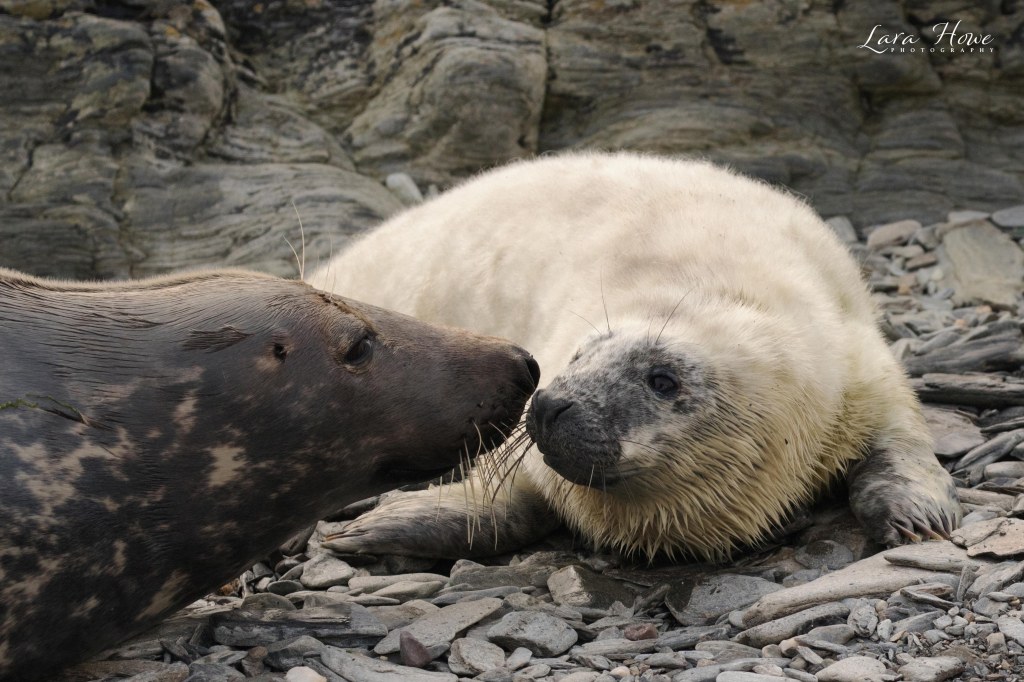
As top predators, seals spend much of their lives at sea, hunting for fish and other marine animals. They are highly skilled hunters, using their sensitive whiskers to detect movement in the water and diving to depths of over 100 metres. They feed on a variety of fish, squid, and crustaceans, helping to regulate prey populations. In doing so, seals contribute to a balanced food web, preventing any single species from becoming overly dominant. This natural regulation supports biodiversity and helps ensure that marine ecosystems remain stable and resilient. For seal populations to thrive, there must be enough prey and healthy habitats to support the species they rely on.
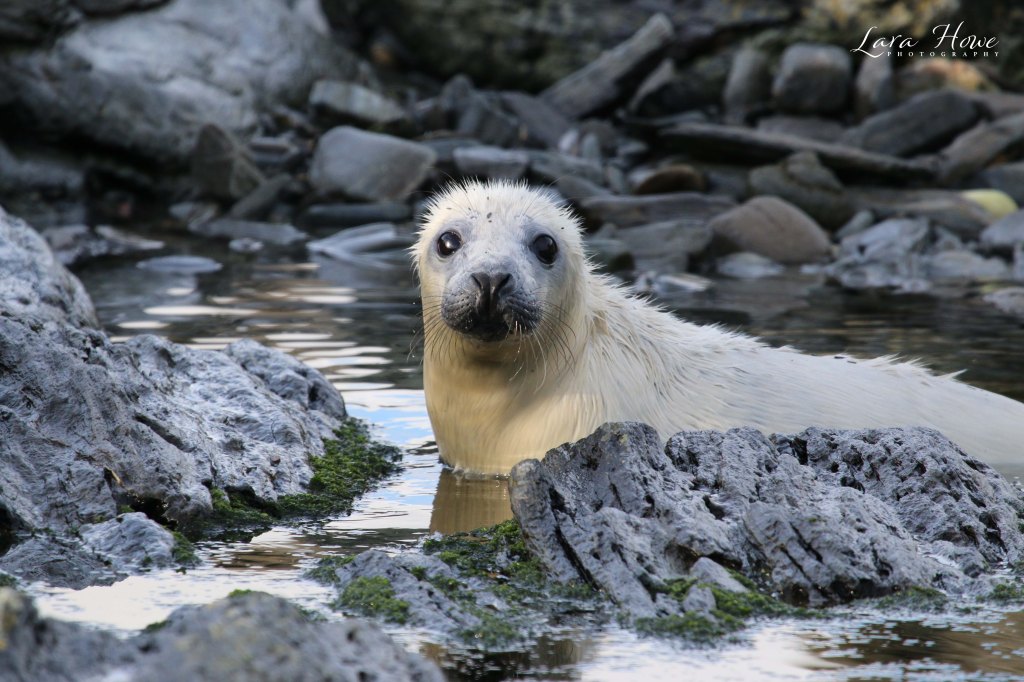
Seals are also considered indicator species, meaning their health reflects the overall condition of the marine environment. Because they are long-lived and sit relatively high in the food chain, they can accumulate pollutants such as heavy metals and microplastics. By studying seal populations, scientists gain valuable insight into pollution levels, ecosystem changes, and the impacts of human activity on the ocean. A decline in seal health or numbers can often signal broader environmental problems that may also affect other marine life. That’s why organisations such as the Manx Wildlife Trust undertake annual seal surveys on the Calf of Man.
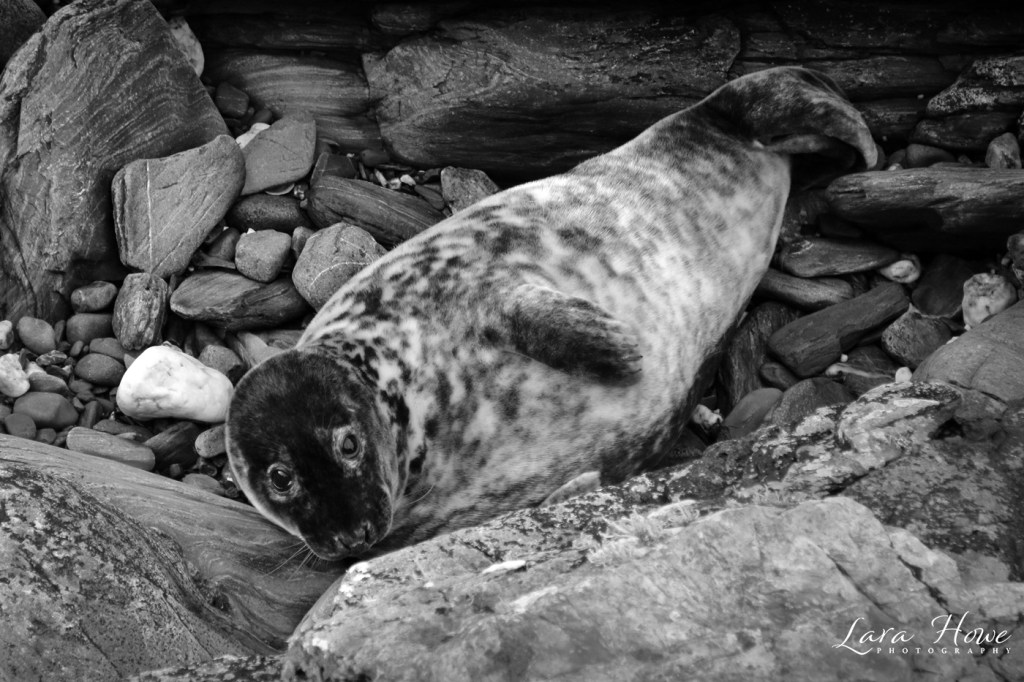
In addition, seals contribute to nutrient cycling. When they defecate at sea or on land, they redistribute nutrients across different parts of the ecosystem. This process helps fertilise coastal waters and supports the growth of phytoplankton, the microscopic plants that form the foundation of marine food webs and play a crucial role in producing oxygen and absorbing carbon dioxide.
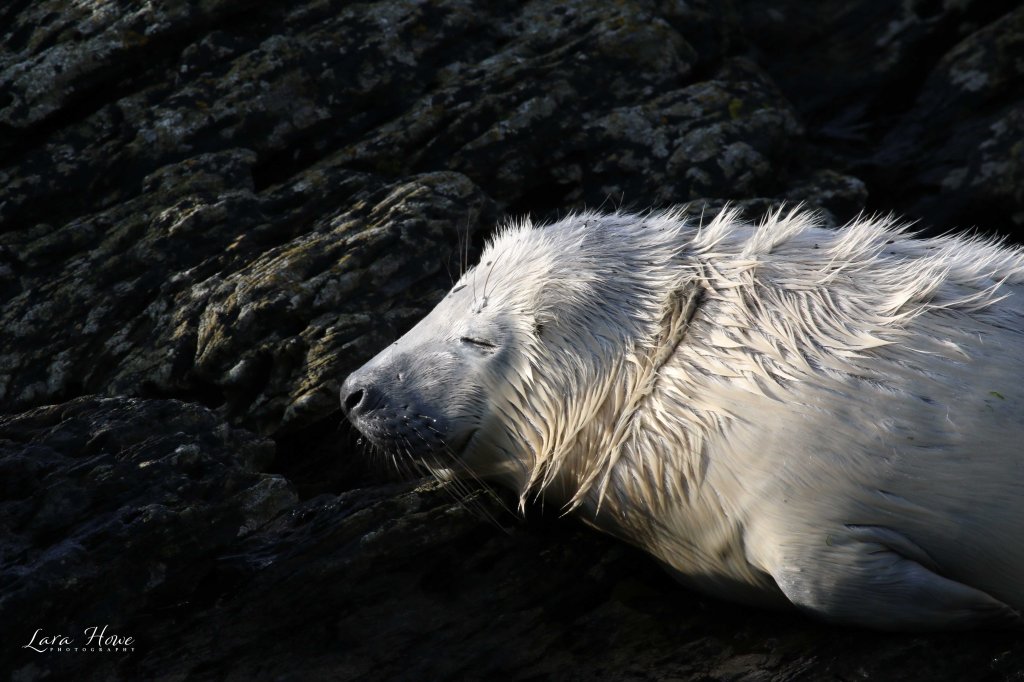
Seals also have cultural and economic importance. In many coastal regions, including the Isle of Man, they attract tourists and wildlife enthusiasts, supporting local economies through eco-tourism. Their presence can foster a deeper connection between people and the natural world, encouraging conservation efforts and raising awareness about marine protection.
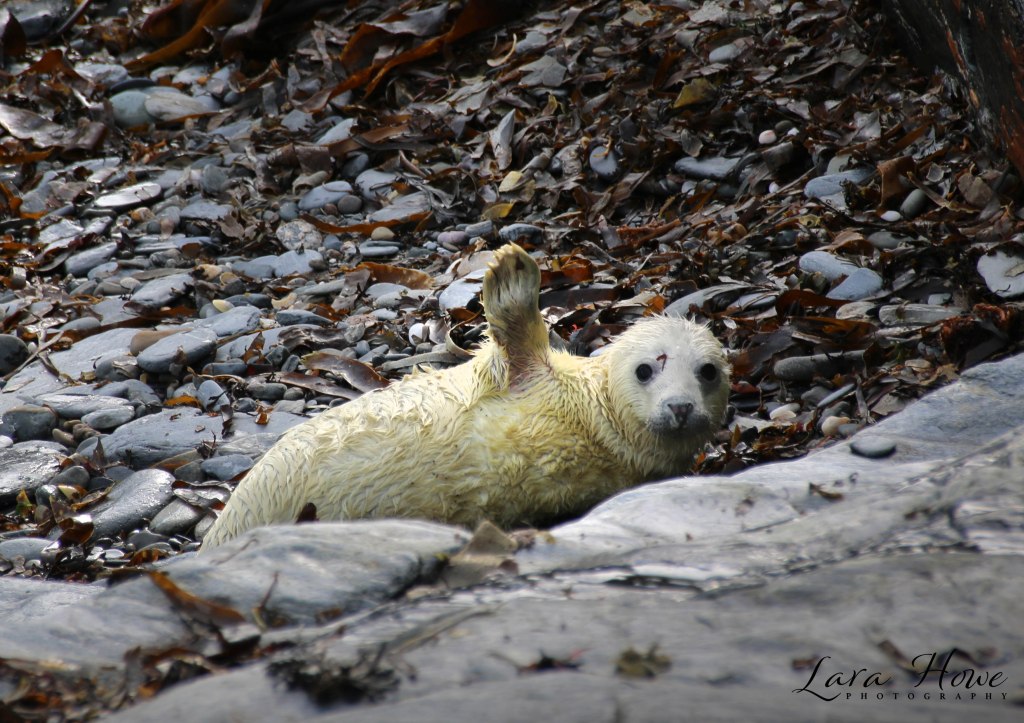
Perhaps most importantly, seals remind us that extraordinary wildlife exists right here at home. Sometimes, all it takes is a quiet moment along the shore to realise that the sea is full of life and that we share this coastline with animals whose lives are still largely hidden beneath the waves.
And that, in itself, is worth celebrating.
 The Soggy Biologist