As I listen to the wind outside, with gales and further storms forecast, it’s hard not to wonder what these conditions mean for our marine wildlife. Storms are a natural feature of temperate seas, but climate change is altering their frequency and intensity. Climate projections suggest the UK is likely to experience wetter and windier conditions, raising concerns about how marine ecosystems will cope and recover.
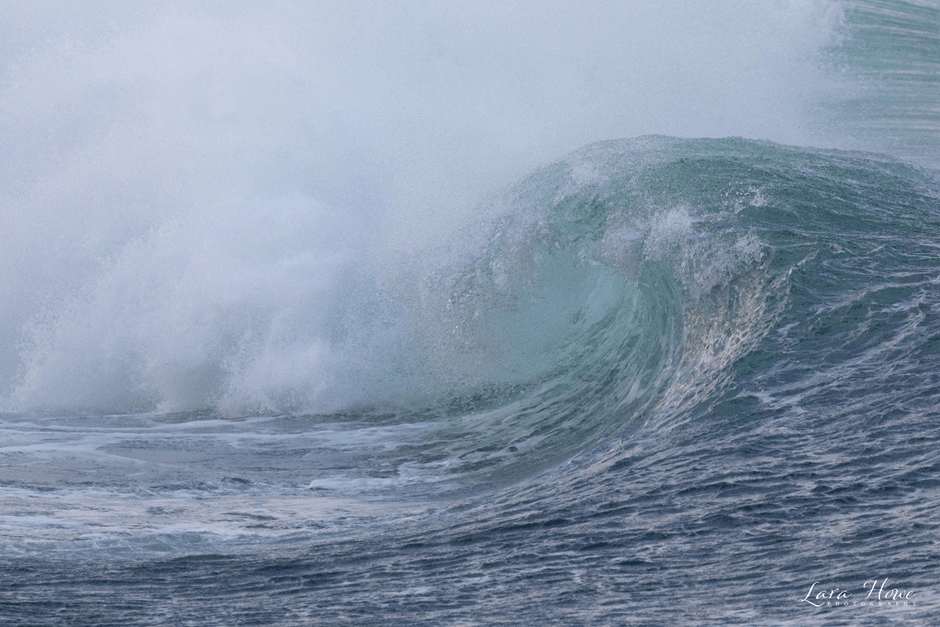
Marine habitats have evolved to withstand seasonal disturbance. Kelp forests, for example, are adapted to wave action through flexible fronds and strong holdfasts, while mobile species can retreat to deeper or more sheltered waters. Occasional storms can even benefit ecosystems by redistributing nutrients. However, as storms become more frequent and intense, ecosystems may not have sufficient time to recover, leading to cumulative damage rather than natural renewal.
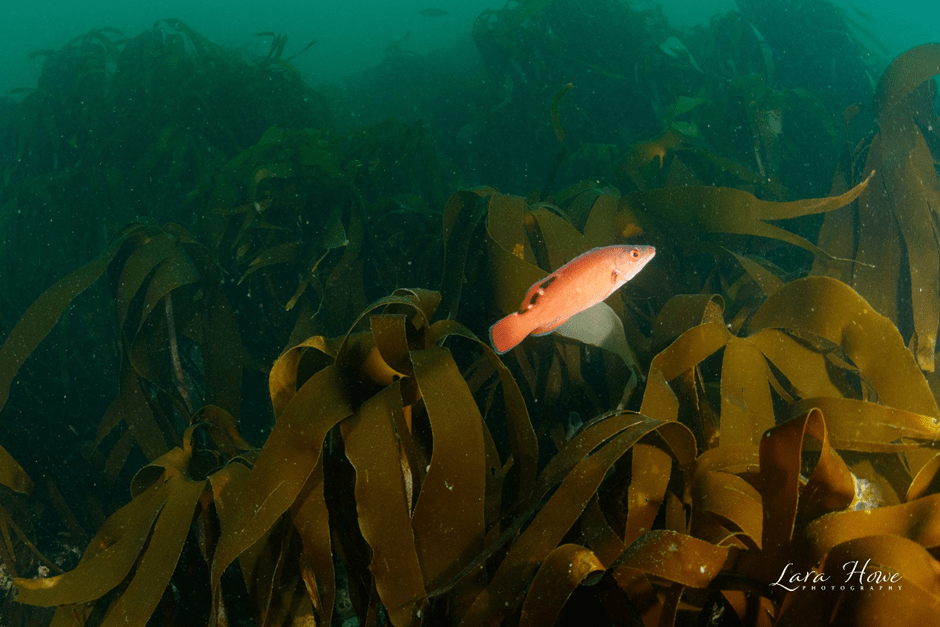
This is evident in kelp-dominated habitats, where repeated storm damage combined with warmer sea temperatures can reduce kelp regrowth and favour low-lying turf algae. These changes reduce habitat complexity, with knock-on effects for the many species that depend on kelp forests for food and shelter.
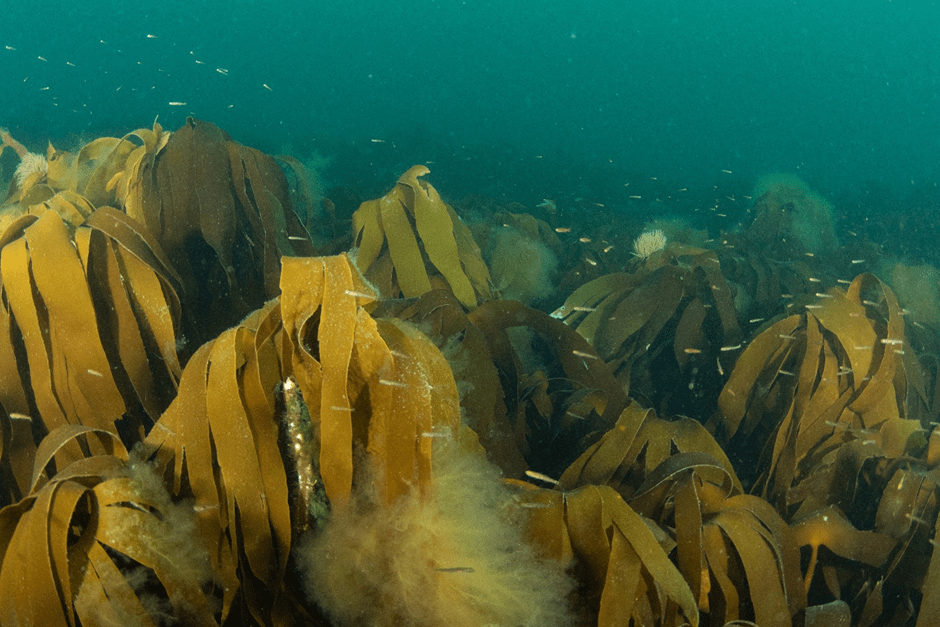
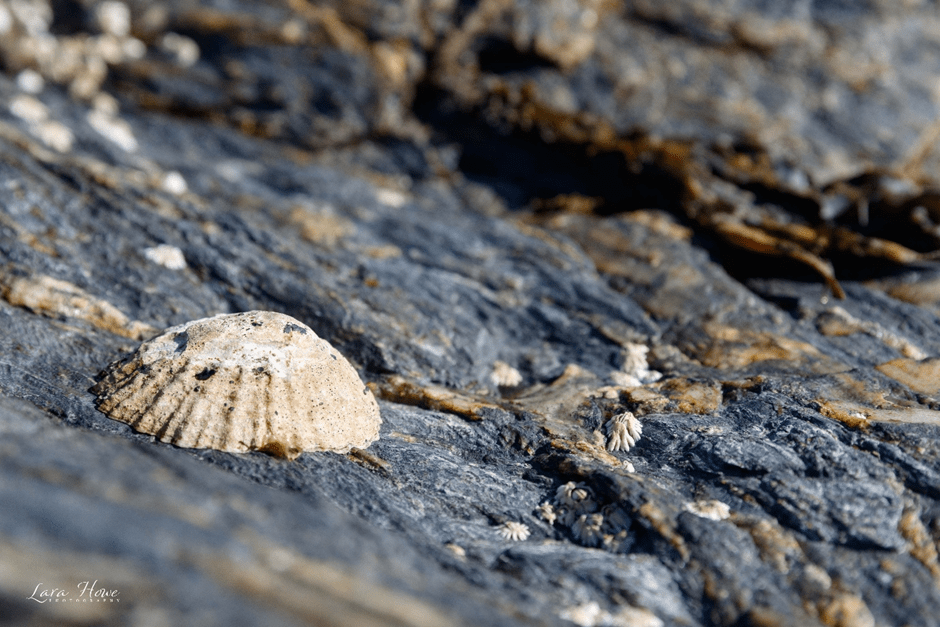
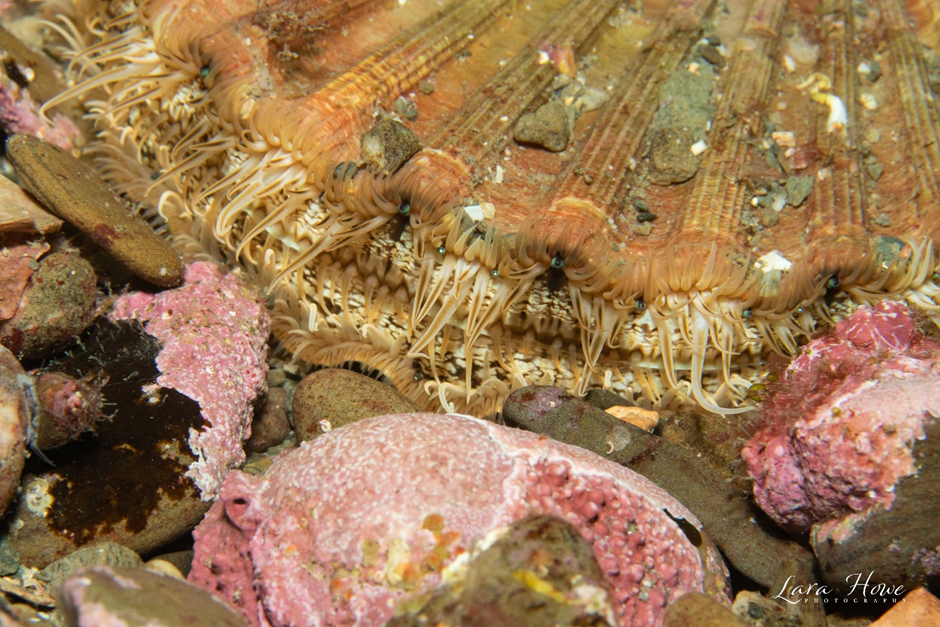
Marine invertebrates are also adapted to natural disturbance by anchoring to rocks, moving into deeper water or burrowing deeper into the sediments. For example, limpets on exposed shore have a lower profile compared to individuals on sheltered shores to reduce drag and the likelihood of being dislodged. However, prolonged storm conditions can lead to smothering by sediments, reduced oxygen availability, or wash larvae away from suitable habitats.
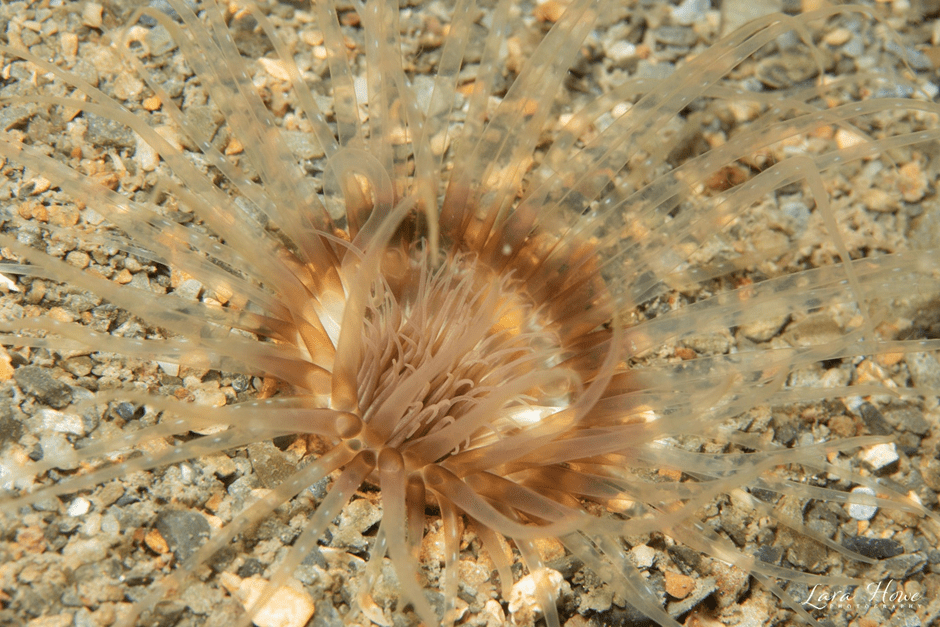
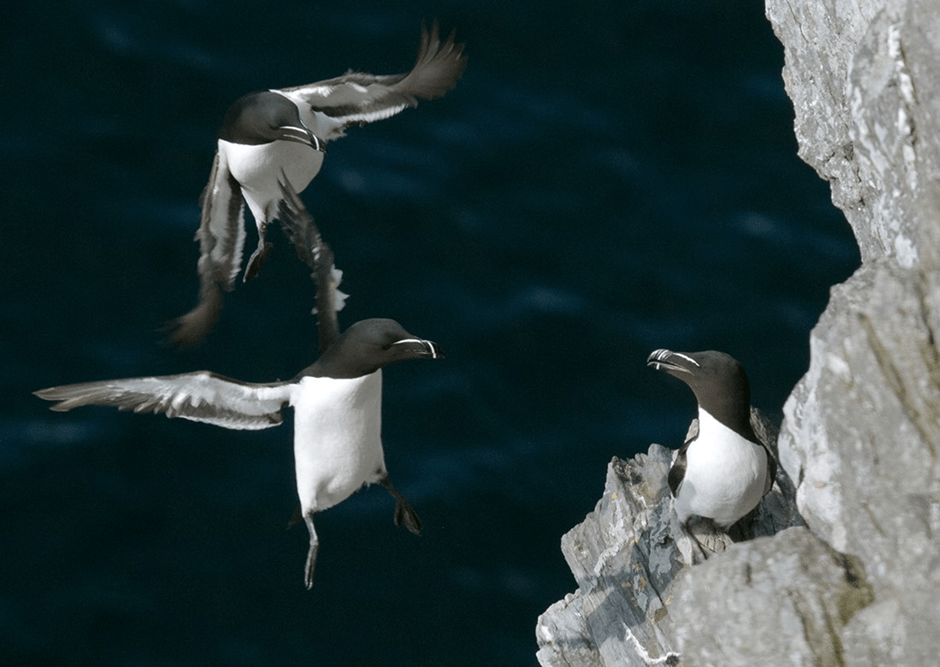
Seabirds are similarly vulnerable. Many species rely on visual cues to locate prey at or below the sea surface, and increased turbidity and wave action impair prey detection. For surface-feeding and plunge-diving species, such as terns, gannets, and kittiwakes, rough seas can prevent successful prey capture altogether. Additionally, severe storms can cause direct mortality through exhaustion, collision with rocks or infrastructure, or drowning. Birds may be blown far offshore or forced inland.
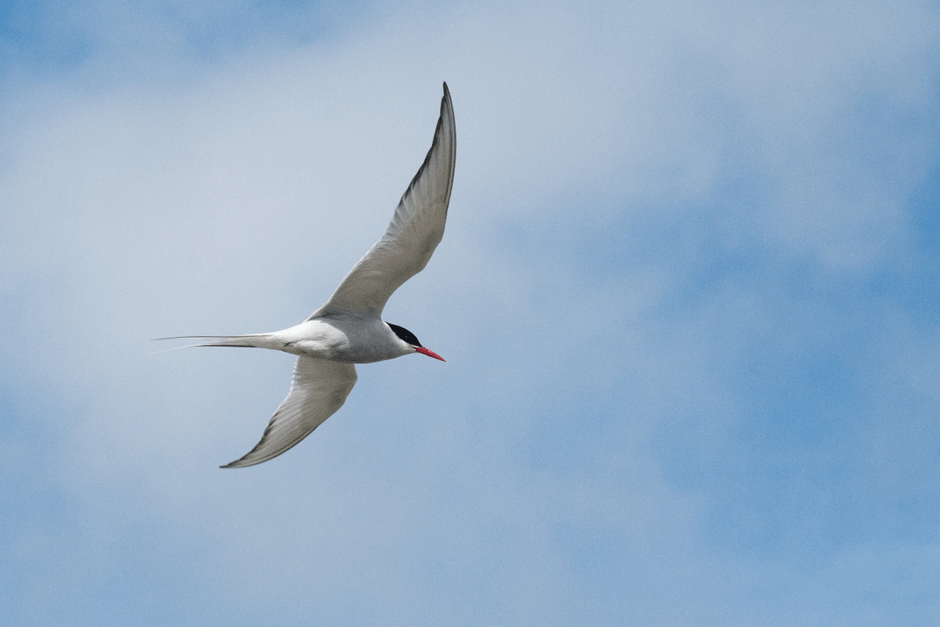
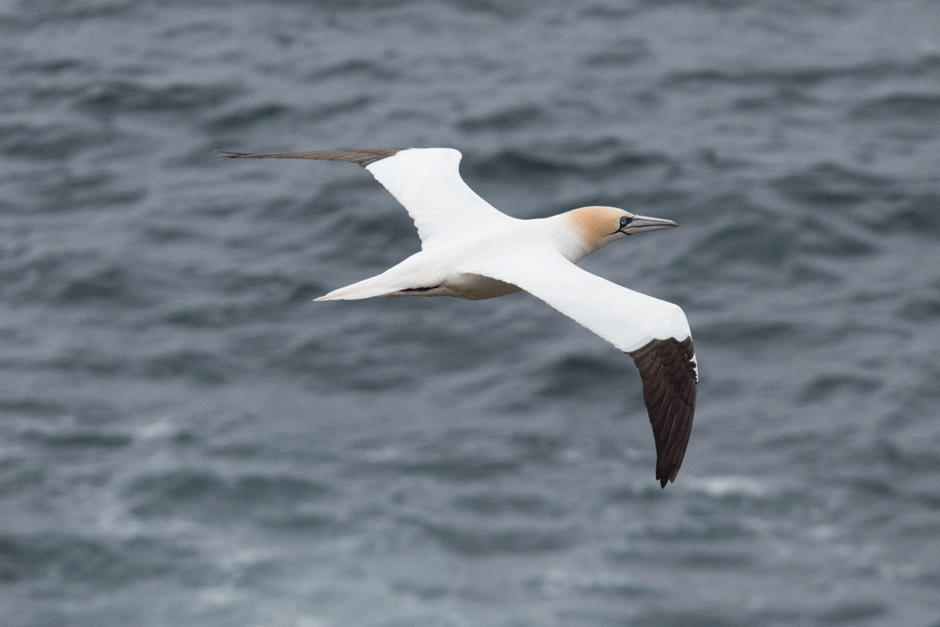
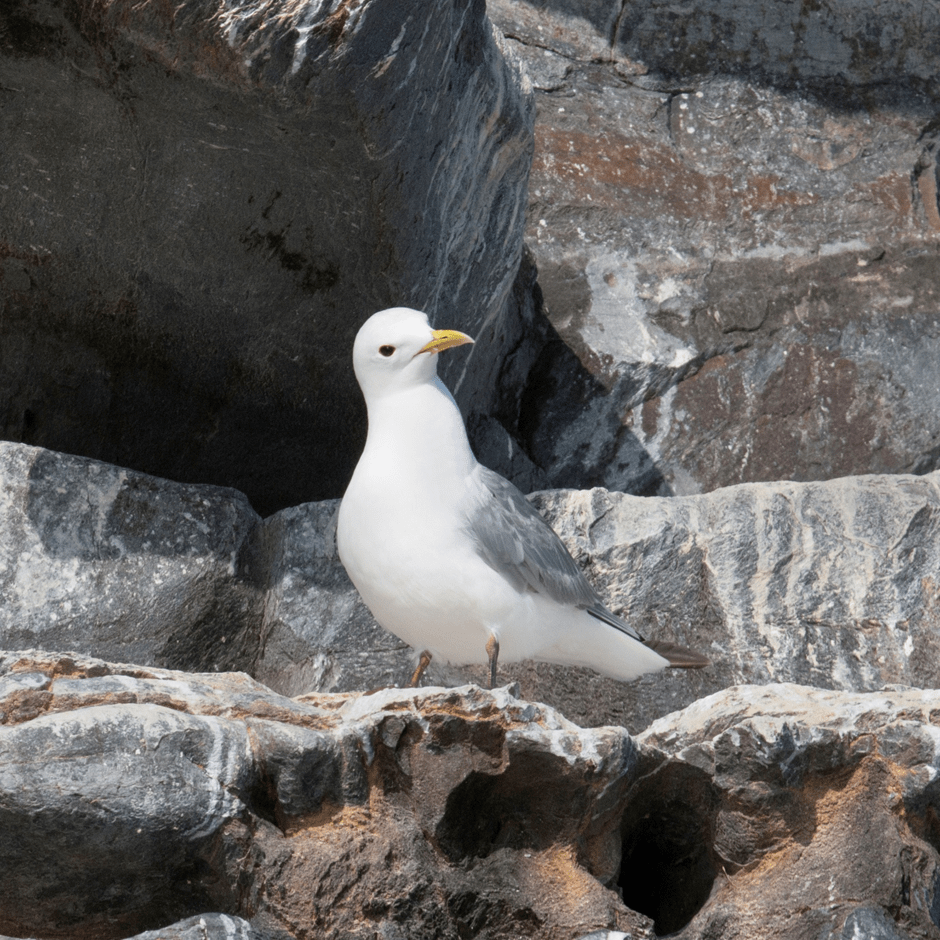
Prolonged storms can therefore lead to increased energetic cost of flight, diving and feeding, resulting in a negative energy balance, particularly during the breeding season, when adults must meet both their own energetic needs and those of their chicks. Chicks can also be left exposed and vulnerable to the elements whilst adults are foraging for longer periods. Post-storm “wrecks” of seabirds along coastlines are often associated with prolonged periods of extreme weather.
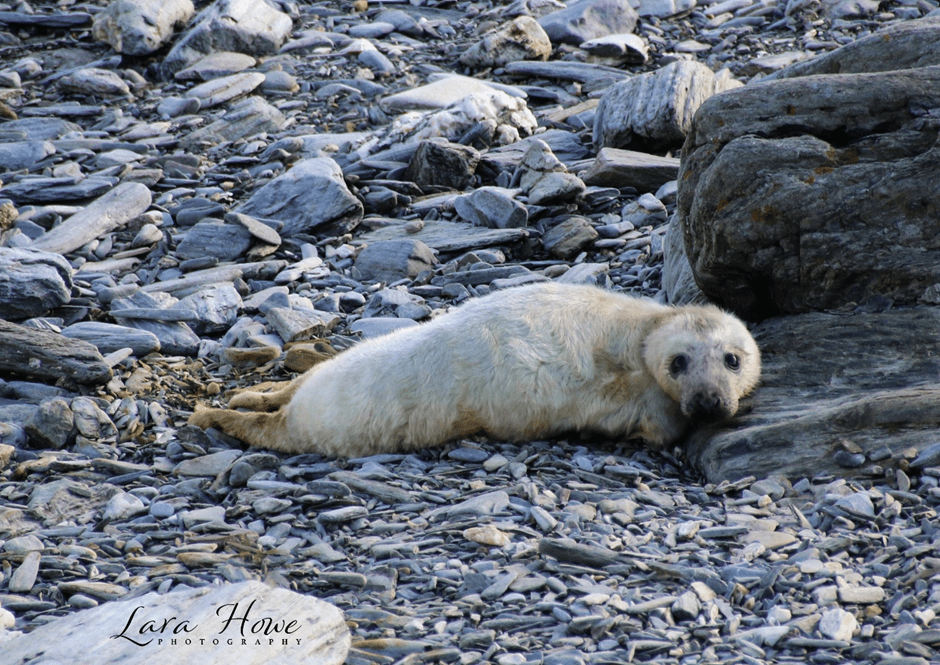
Storms also affect larger marine animals. Grey and harbour seals rely on exposed coastal sites for hauling out and pupping. During severe storms, these sites can flood, putting pups, particularly unweaned grey seal pups, at risk of injury, separation from their mothers, or death. Rising sea levels are making these impacts more frequent by increasing the likelihood of pupping-site inundation.
Warmer seas further compound these pressures. Many cold-water species in the Irish Sea are close to their thermal limits, with rising temperatures affecting growth, reproduction, and survival. Some fish species are shifting northwards, while warmer conditions disrupt salmon spawning and increase egg and juvenile mortality during winter floods.
Storms also intensify land-sea pollution pathways. Heavy rainfall increases runoff and sewage discharges, delivering sediments, nutrients, plastics, and chemicals into coastal waters. This reduces water quality, increases turbidity, and places additional stress on marine life already coping with physical disturbance. Nutrient enrichment may drive localised eutrophication, while increased sedimentation can impair feeding and respiration in filter-feeding organisms such as bivalves.
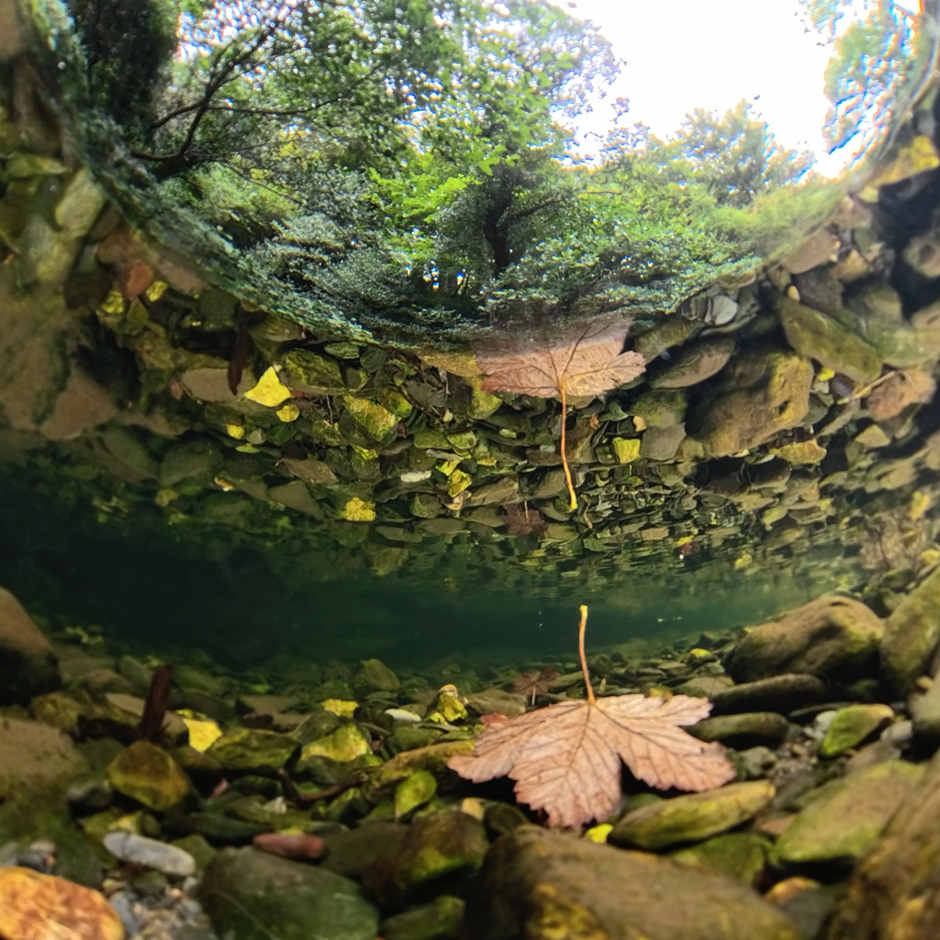
Freshwater species are not immune either. Increased runoff and higher river flows during storms can damage or remove gravel beds used by salmonids for spawning, washing away eggs or reducing oxygen availability. Winter floods are particularly damaging as salmon typically spawn in late autumn or early winter, leaving eggs vulnerable to high flows.
Taken together, these pressures highlight the importance of healthy, resilient ecosystems. Encouragingly, evidence shows that habitats within Marine Protected Areas often recover more quickly from storm impacts than unprotected sites, underlining the value of effective marine protection as our climate continues to change. Achieving the 30×30 target, to protect at least 30% of our ocean by 2030, will be critical to safeguarding these habitats and strengthening their ability to withstand future storms.
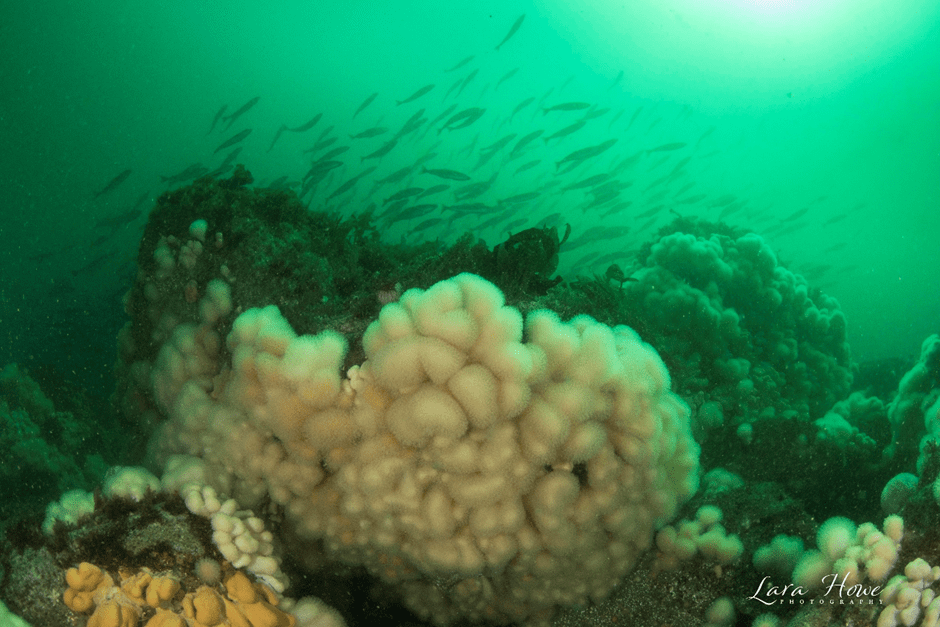
By protecting these vital habitats, reducing pollution, and supporting action on climate change, we can give marine wildlife the best chance to recover and adapt. A healthier ocean is a more resilient one and the choices we make now will shape how well it weathers the storm.
 The Soggy Biologist