Last week, I was fortunate enough to travel to the UK for work. My first stop was London, where I attended the Coastal Futures 2025 conference, followed by a visit to Thetford for the British Observatory Council (BOC) AGM. While the focus of these two events was quite different, what I particularly enjoyed was the opportunity to walk to them—something I don’t often do, as I usually drive to work (albeit a beautiful drive).
In London, I walked through Hyde Park, and in Thetford, my route took me along the River Thet and Little Ouse River to the British Trust for Ornithology (BTO) office at the Nunnery. These places were new to me, making them all the more exciting to explore. But what truly amazed me was how much wildlife was present, even in the heart of bustling cities and towns.
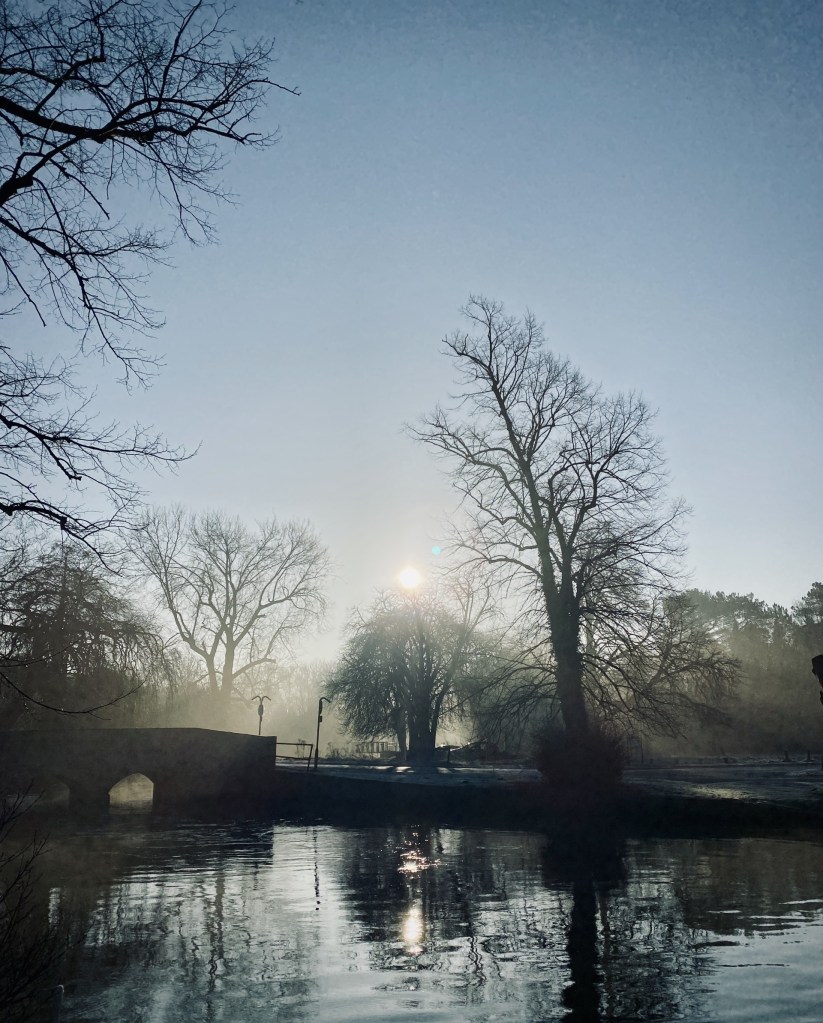
This made me reflect on how important urban spaces are for wildlife. Often, we assume towns and cities are devoid of nature, but that’s far from the truth. In some cases, wildlife in urban areas can even be easier to observe than in rural settings, as many species become accustomed to people. In fact, we nearly missed our train because we kept stopping to admire new sightings! I must admit, not all the wildlife I encountered was native, but it was still impressive. Even during my train journey between London and Thetford, I spotted an array of species—including deer, buzzards, cranes, wood pigeons, and more.
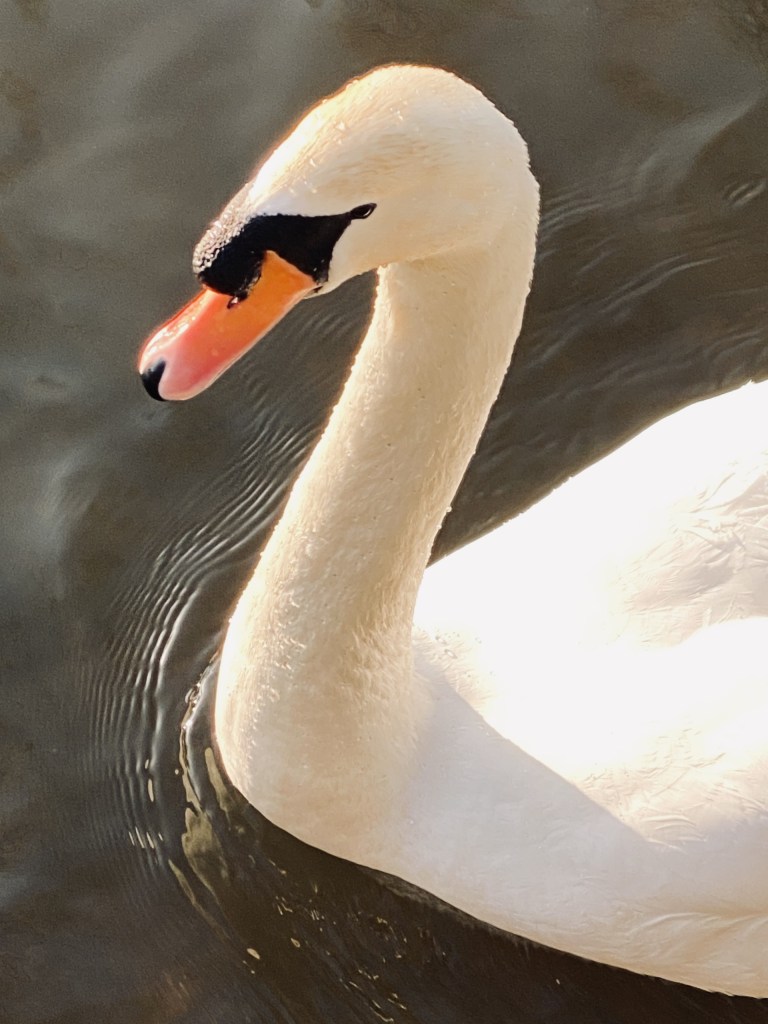
According to Google, London has around 3,000 parks and green spaces—a staggering number! These areas aren’t just valuable for people, offering a place to slow down and escape the fast pace of city life, but they are also vital refuges for wildlife. As we face a biodiversity crisis, these spaces are becoming increasingly important.

We can all play a part in protecting and expanding habitats, especially as we work towards 30×30 (the goal of protecting 30% of land and sea by 2030). Whether it’s a garden, yard, balcony, or any outdoor space, we can all make room for nature. If you don’t have your own outdoor space, why not join a community group that does? A great place to start is your local Wildlife Trust—volunteering on a nature reserve is a fantastic way to support conservation while meeting like-minded people. If you’d rather begin at home but aren’t sure where to start, there’s plenty of online advice available.
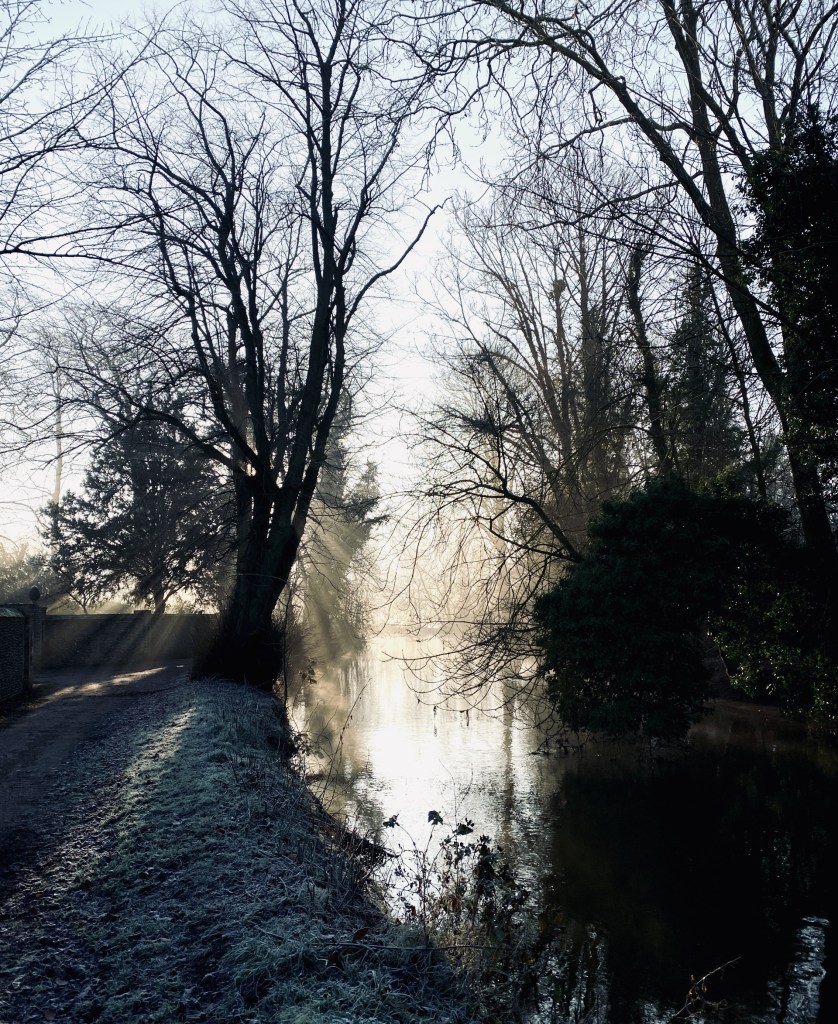
For example, Manx Wildlife Trust is about to launch the Make Space for Nature series—a six-week program offering advice and inspiration through in-person and online events. Why not check it out? You can find more details at www.mwt.im/MakeSpace.
Nature is truly incredible, and it’s up to all of us to support it however we can. So next time you walk to work, why not set off a little earlier and take a moment to notice the nature around you? You never know what you might see—perhaps something new, but always something extraordinary.
 The Soggy Biologist